Medical
Silicone Solutions for Medical Devices and Equipment
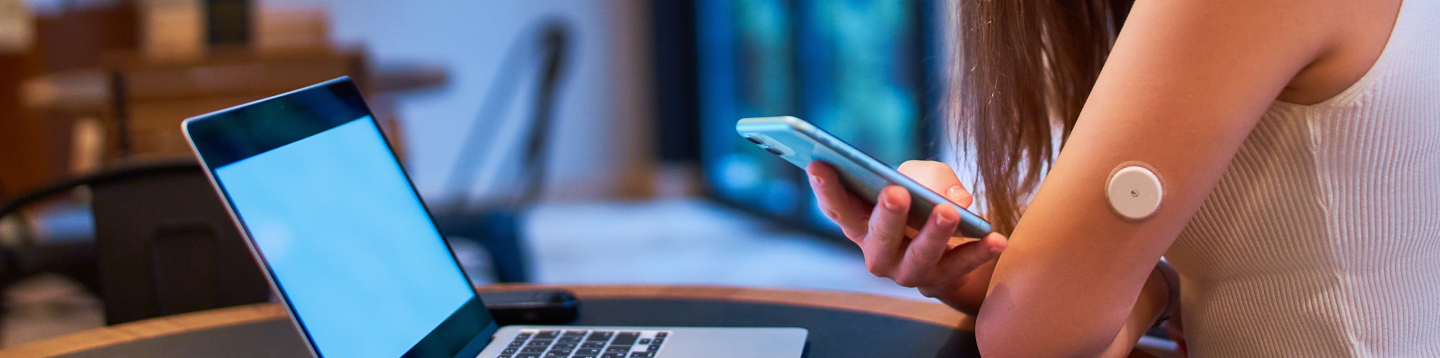
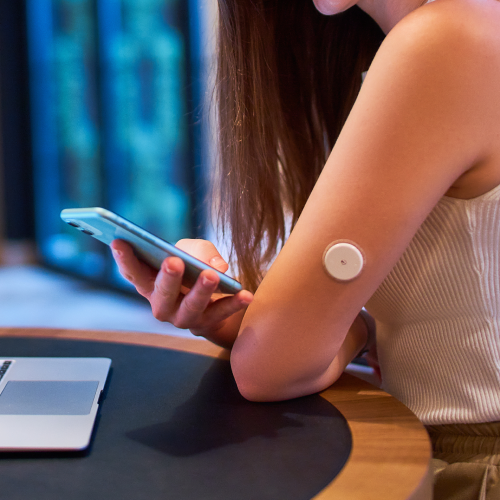
Medical electronics must be gentle on the patient and tough on everything else. Wearable biosensor patches sit against skin while continuously collecting signals such as ECG, body temperature, motion, respiration, glucose, sweat analytes, or other vital signs. Hospital monitoring devices and telemetry modules must survive handling, cleaning, moisture exposure, and repeated use. Diagnostic and imaging equipment must protect sensitive electronics, power supplies, sensors, and detector elements that operate under higher voltage, higher power, and tighter reliability expectations.
Novagard designs and manufactures silicone sealants, coatings, lubricants, foams, and electronic protection materials in the USA. Our electronics-grade silicones are independently tested to ISO 10993 biocompatibility standards, giving medical device manufacturers a documented starting point for material qualification. Selected products are tested to the three standards matching how our silicones are used in external and wearable devices: cytotoxicity (ISO 10993-5), skin sensitization (ISO 10993-10), and irritation (ISO 10993-23).
Skin-approved Silicone Products:
| ISO 10993-5 (Cytotoxicity) | ISO 10993-10 (Skin Sensitization) | ISO 10993-23 (Irritation) | TDS/SDS | Product Link | |
|---|---|---|---|---|---|
| 800-520FC | TDS/SDS | View Product | |||
| 800-550 | TDS/SDS | View Product | |||
| 800-750 | TDS/SDS | View Product | |||
| 600-223 | TDS/SDS-A/SDS-B | View Product | |||
| 600-250 | TDS/SDS-A/SDS-B | View Product | |||
| 500-452 | TDS/SDS | View Product |
Application Focus
Novagard materials are best positioned for external medical devices and equipment: wearable and on body monitoring electronics, hospital patient monitoring systems, medical device electronics, ESD sensitive lab equipment, diagnostic instruments, imaging equipment, high voltage power supplies, batteries and power systems used in medical testing equipment, and enclosure protection for devices that must remain reliable after cleaning, handling, vibration, and environmental exposure.
Why Silicone for Medical Devices and Equipment?
- Biocompatible by design: A methyl-rich siloxane backbone is chemically stable, nonreactive, and skin-compatible, giving soft protection for wearables without rigid stress points.
- High-purity protection: Electronics-grade formulations minimize loose fluids and silicone creep, and are ISO 10993 tested to support biological evaluation in sensitive electronics.
- Flexible, low-stress cushioning: Exceptional flexibility across wide temperatures absorbs bending, thermal cycling, and drops instead of stressing delicate boards and sensors.
- Dielectric reliability: Naturally insulating and hydrophobic, limiting moisture, leakage, and arcing on circuit boards, battery packs, and high-voltage supplies.
- Cleaning and environmental durability: Resists moisture, UV, sweat, and repeated disinfection, extending the life of reusable and patient-worn devices.
- Processing flexibility: UV cure, addition cure, and RTV chemistries give a cure option matched to each device and assembly method.
Applications Across Medical Devices and Equipment
Medical Device Electronics
Conformal Coating: Conformal coatings are thin, protective films applied over circuit boards and exposed electronics. In medical devices, they shield electronics from sweat, humidity, cleaning fluids, dust, and electrical leakage while adding almost no weight or volume. Unlike rigid encapsulation, silicone coatings flex with the assembly and tolerate thermal cycling, vibration, and repeated movement, making them ideal for ECG patches, portable monitors, diagnostic cartridges, sensor modules, and pump controllers that need dielectric protection and stress relief without being fully buried in rigid potting.
Novagard solution: 800-505FC/20FC is independently tested to ISO 10993-5 for thicker protective layers; 800-550 flows around complex circuitry for sealing and potting. Both are UL 746E certified.
Gasketing and Sealing: Medical device housings, wearable enclosures, sensor modules, and battery compartments need seals that keep out moisture, dust, body fluids, and cleaning residues. Silicone gasketing stays flexible and resilient, recovering after compression rather than taking a permanent set. Form-in-place (FIPG) and cured-in-place (CIPG) gasketing dispenses a bead directly onto complex geometries, sealing narrow lands, curved housings, and miniature enclosures that are difficult to address with die-cut gaskets, and can support serviceability by staying bonded to one side of the assembly. RTV, UV cure, and addition cure chemistries each suit different cure speeds, geometries, and production volumes.
Novagard solution: UV cure silicone pastes 800-400 and 800-401 form cured-in-place gaskets for device housings, holding their shape even in complex dispensed patterns.
Wearables and On Body Monitoring
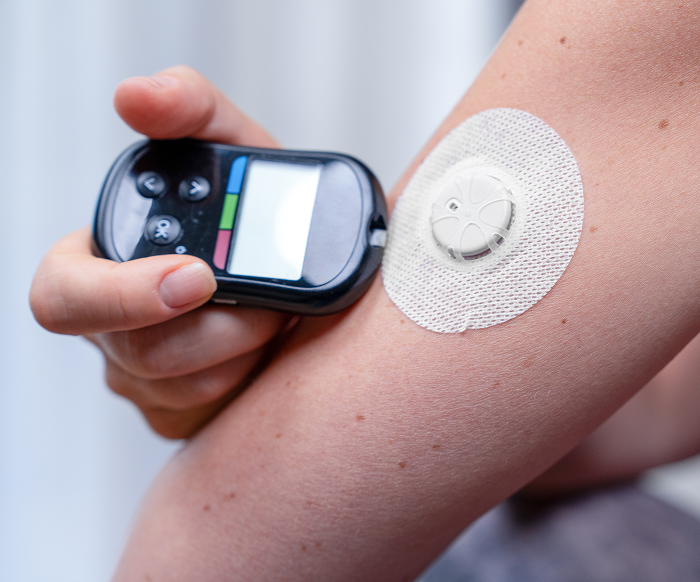
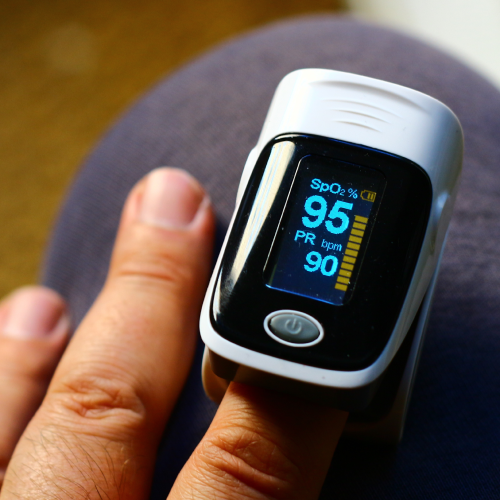
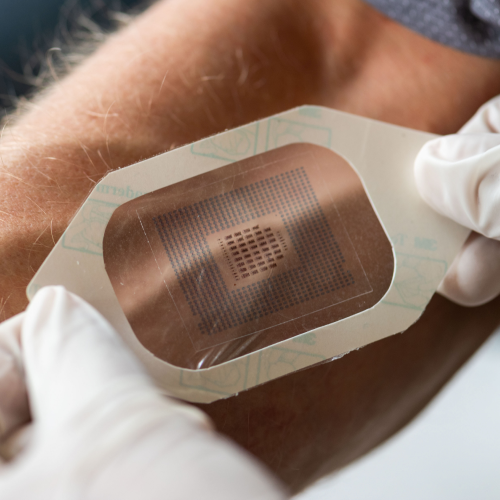
Sensor Coating: Wearable sensors and on-body monitors combine flexible circuits, electrodes, batteries, antennas, and wireless components in a thin housing worn for hours or days. The challenge isn’t the strap; it’s protecting the electronics inside a device that sits near skin, moves with the patient, and faces sweat, humidity, cleaning, bending, and impact. Silicone coatings deliver dielectric insulation, moisture resistance, low-stress flexibility, and thermal stability, and with the right Si + X formulation can also add thermal conductivity, ESD control, flame resistance, or EMI/RF shielding for advanced electronics. Typical uses include ECG and cardiac monitoring patches, continuous glucose monitors, vital sign patches, pulse oximetry modules, and remote patient monitoring biosensors.
Novagard solution: 800-750 UV Alkoxy Dual Cure Semi-Flowable Silicone is soft and compliant enough for on-body use yet tough enough for demanding environments, and is independently tested to ISO 10993-5, -10, and -23 (cytotoxicity, skin sensitization, and irritation).
Tracking and Telemetry Devices: Tracking and telemetry devices collect, transmit, and store patient or equipment data across hospital, home care, and remote monitoring settings, using wireless transmitters, worn monitoring modules, location beacons, or disposable sensor pods that must protect electronics while allowing inspection or signal transmission. Silicone encapsulants and gels shield telemetry electronics from moisture, shock, vibration, and handling while relieving stress on solder joints, chips, and antennas. Optically clear silicones are valuable when internal components, LEDs, or inspection features must stay visible after encapsulation.
Novagard solution: Optically clear encapsulants such as 800-610 protect the electronics in wearable tracking devices while keeping components visible for inspection.
Medical Equipment and Imaging
High Voltage Potting: Diagnostic and imaging equipment often includes high voltage power supplies, detector electronics, control boards, and power conversion systems that need insulation, stress relief, and long-term protection from moisture and contamination. Silicone pottants and gels combine dielectric performance with flexibility, so they insulate without over-constraining sensitive components. They raise insulation resistance, reduce leakage and arcing risk, and absorb thermal expansion mismatch between boards, housings, and conductors that rigid potting cannot. The Si + X approach pairs silicone with specialty fillers to tailor dielectric strength, thermal conductivity, arc resistance, or voltage withstand.
Novagard solution: Novagard silicone pottants and gels insulate high voltage circuits in medical imaging equipment while relieving thermal and mechanical stress on delicate components.
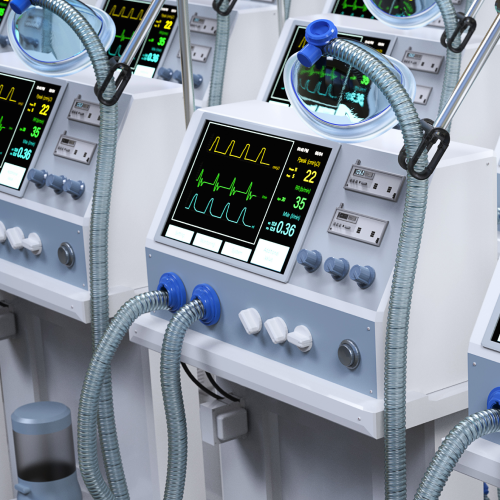
Equipment Protection: Diagnostic instruments, imaging systems, hospital monitors, and portable testing equipment must resist moisture, disinfectants, dust, shock, vibration, and electromagnetic interference while maintaining signal quality and reliability. Silicone coatings, sealants, gels, and encapsulants protect boards, sensors, displays, connectors, and power modules, providing moisture barriers, dielectric protection, thermal dissipation, vibration damping, EMI/RF shielding, or ESD control depending on formulation.
Novagard solution: Sprayable conformal coatings and silicone protection materials guard control boards, sensors, and electronic assemblies in diagnostic equipment against moisture, contamination, electrical stress, and repeated cleaning.
PVC Foams
Cushioning and Sealing: PVC foam is used where the application calls for cushioning, spacing, vibration damping, light blocking, or dust and air sealing rather than a cured silicone elastomer. In medical equipment and device assemblies, it protects displays, housings, sensors, battery compartments, and internal components from shock, vibration, rattle, dust ingress, and light leakage, conforming to gaps and holding a seal without adding excessive weight or assembly complexity.
Novagard solution: Foam Seal PVC foam cushions components against shock and vibration and seals out light, air, dust, and moisture in medical equipment and device assemblies.